


Salt air is a chemistry problem, not a color problem
Within a mile of the Atlantic, wind carries a fine chloride mist that settles on every wall, railing, and soffit. Chloride is hygroscopic — it pulls moisture out of humid air and holds it against the surface long after the sun has dried everything else. That constant damp film is what drives chalking, blistering, and rust bleed on coastal homes in Highland Beach, Gulf Stream, Ocean Ridge, and Manalapan.
It also means a paint job that would last a decade three miles inland can start failing in three or four years on A1A. The fix is a system: wash the salt off, treat the substrate, prime what needs priming, and use a topcoat with enough resin and UV package to survive the exposure.
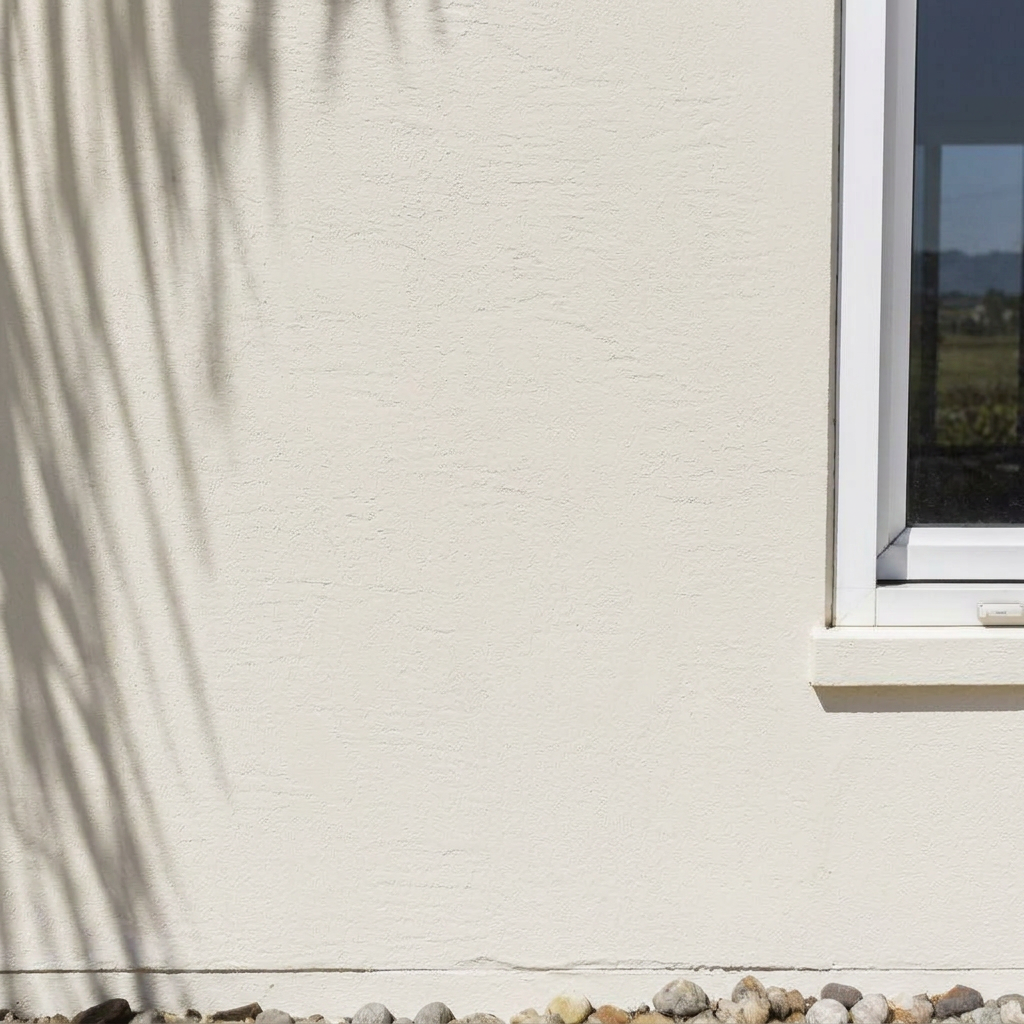
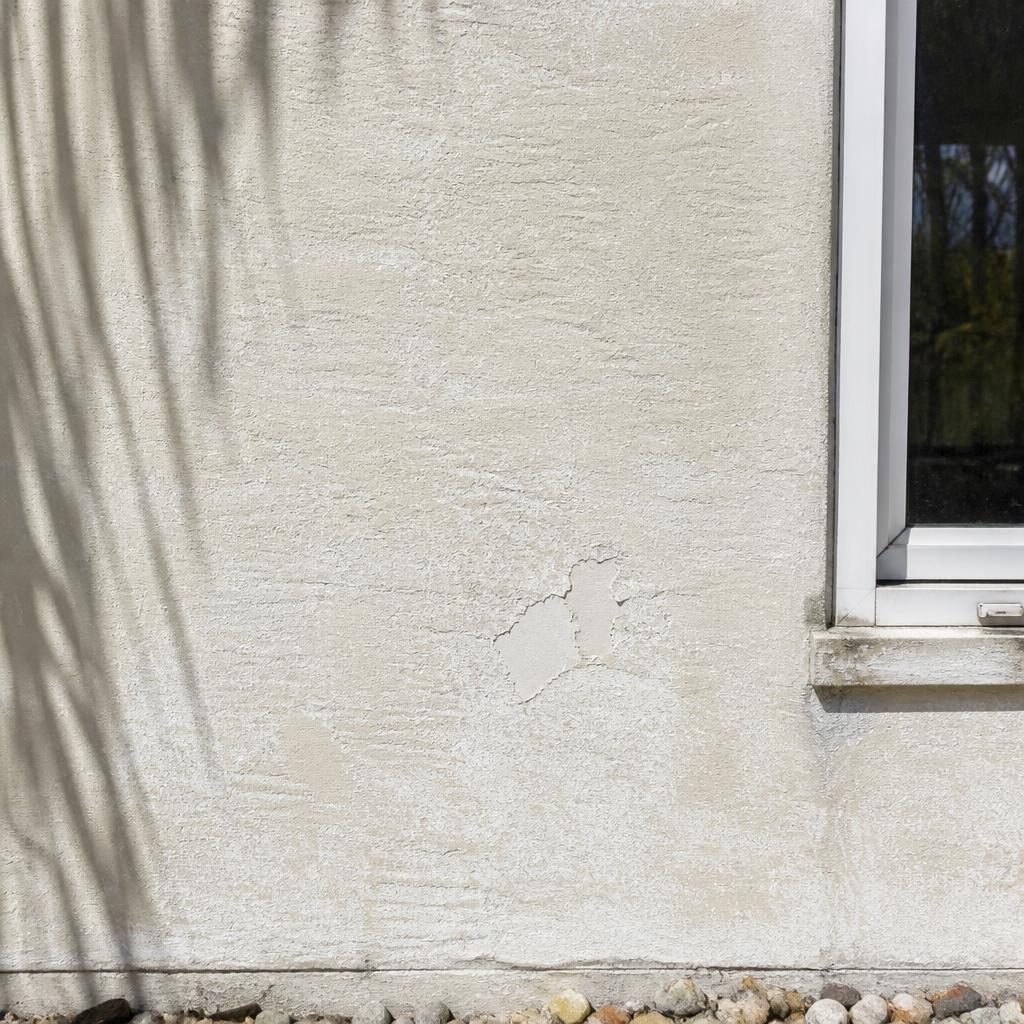
Wash first — always
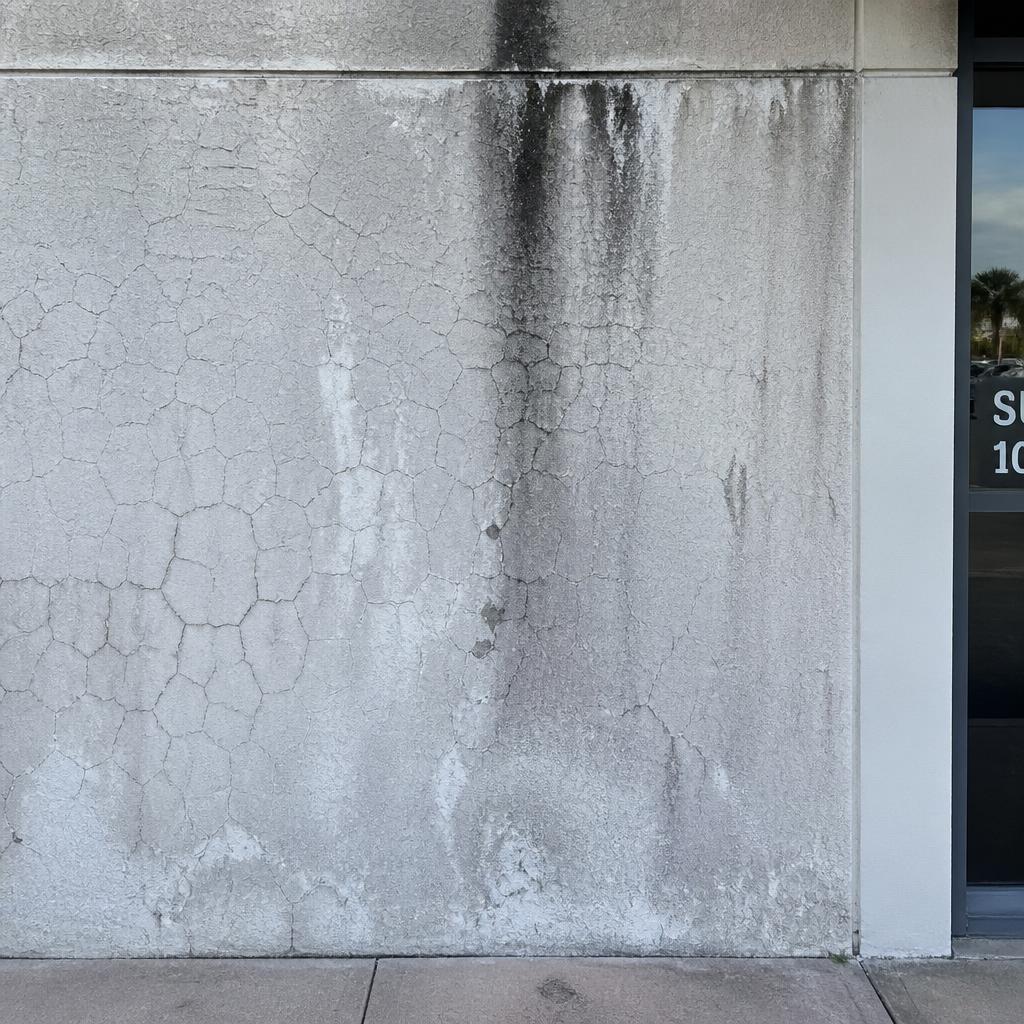
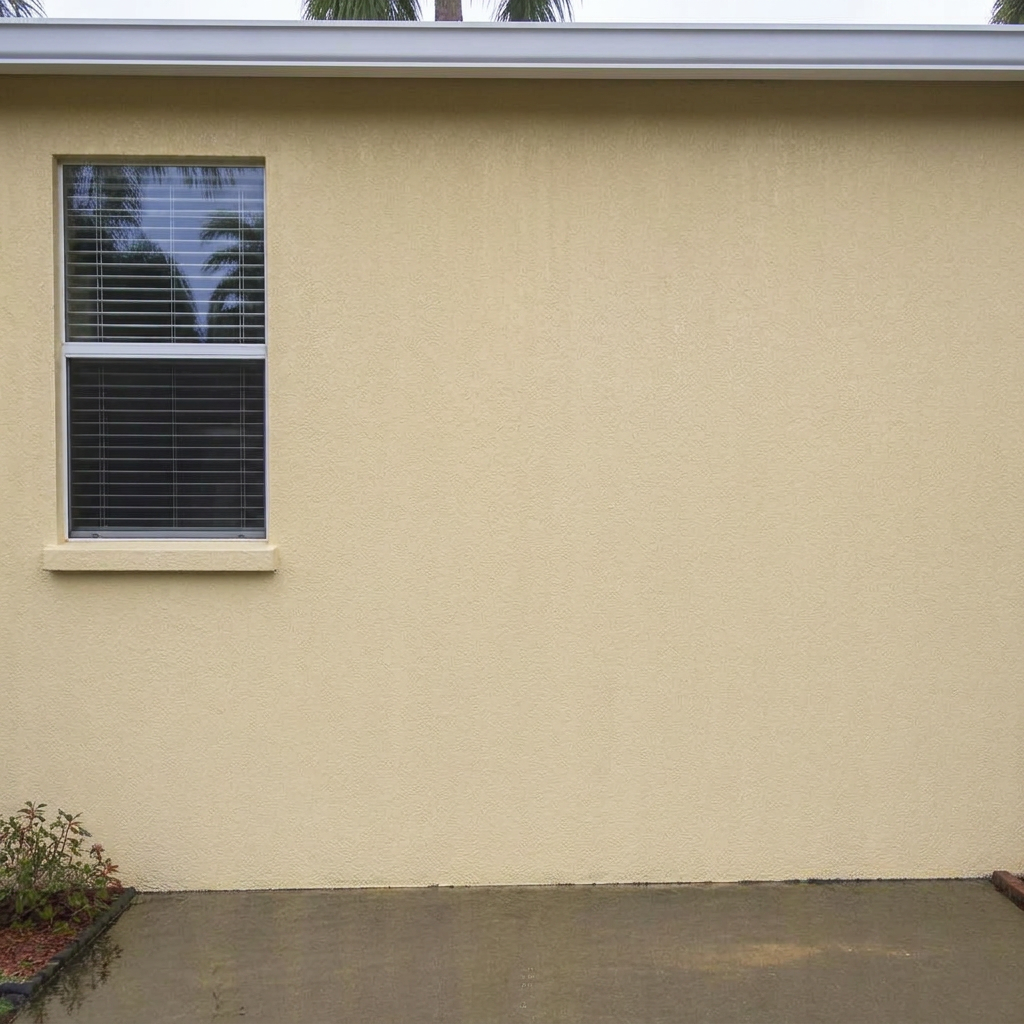
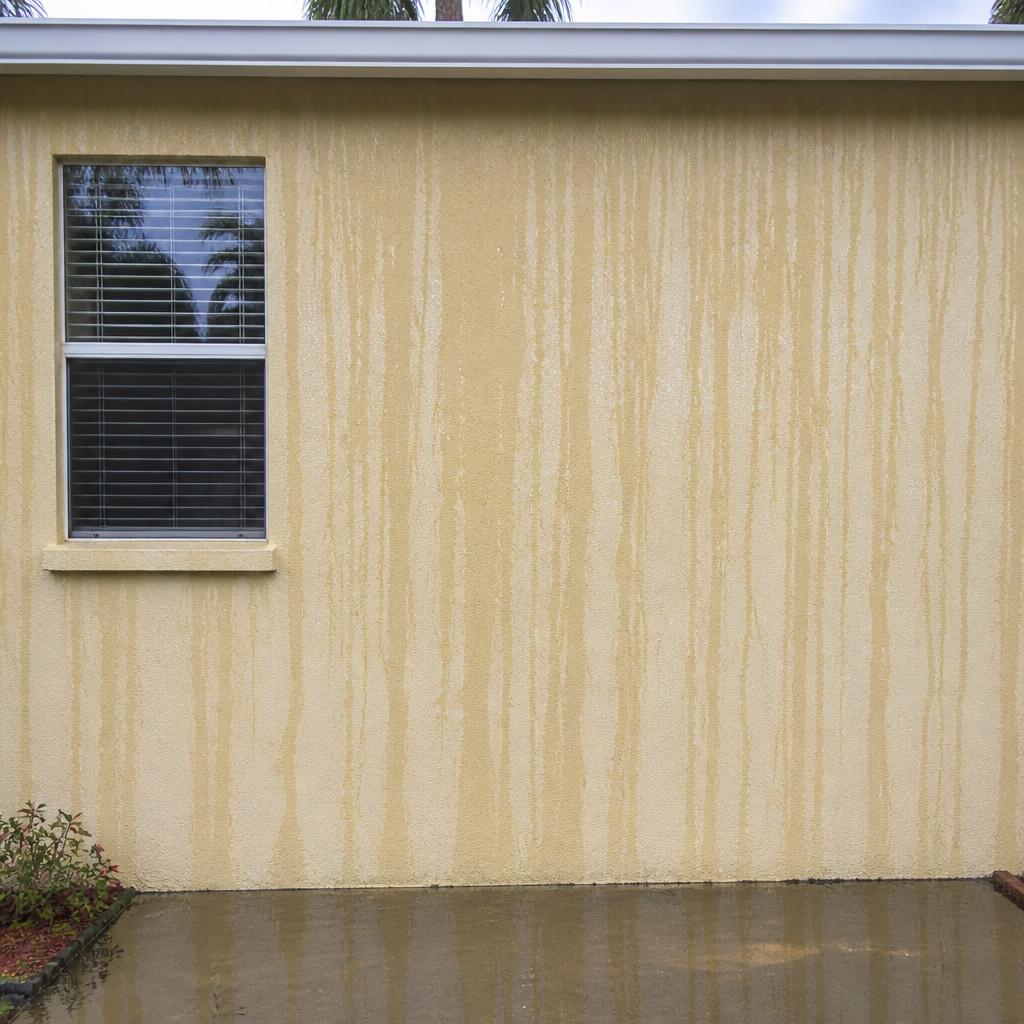
Almost every premature coastal failure we see traces back to painting over salt. Chloride is invisible and it does not burn off in the sun. Pressure-wash with fresh water at low pressure, or hand-wash with a cleaner, and rinse thoroughly. Let stucco dry a full 24 to 48 hours in season, longer after rain.
- Rinse soffits and the leeward side too — salt collects where rain never reaches.
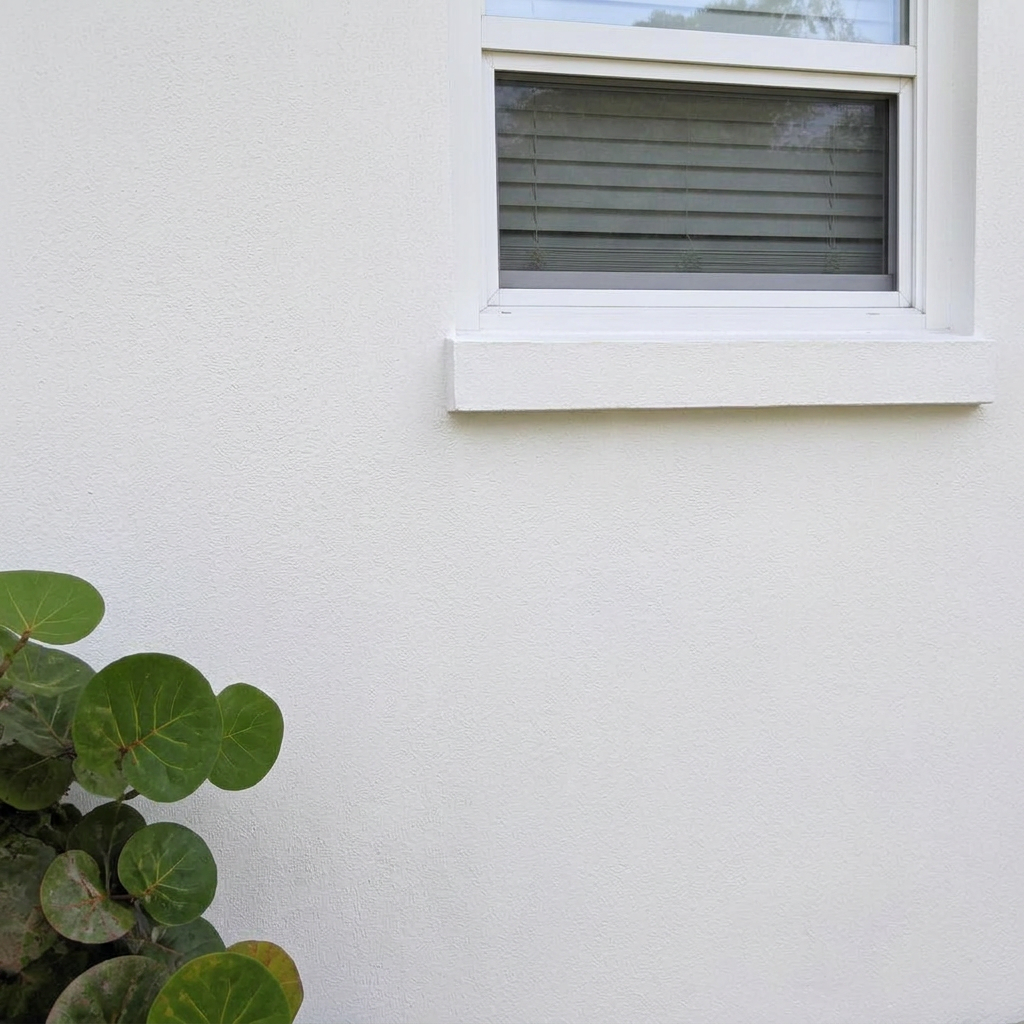
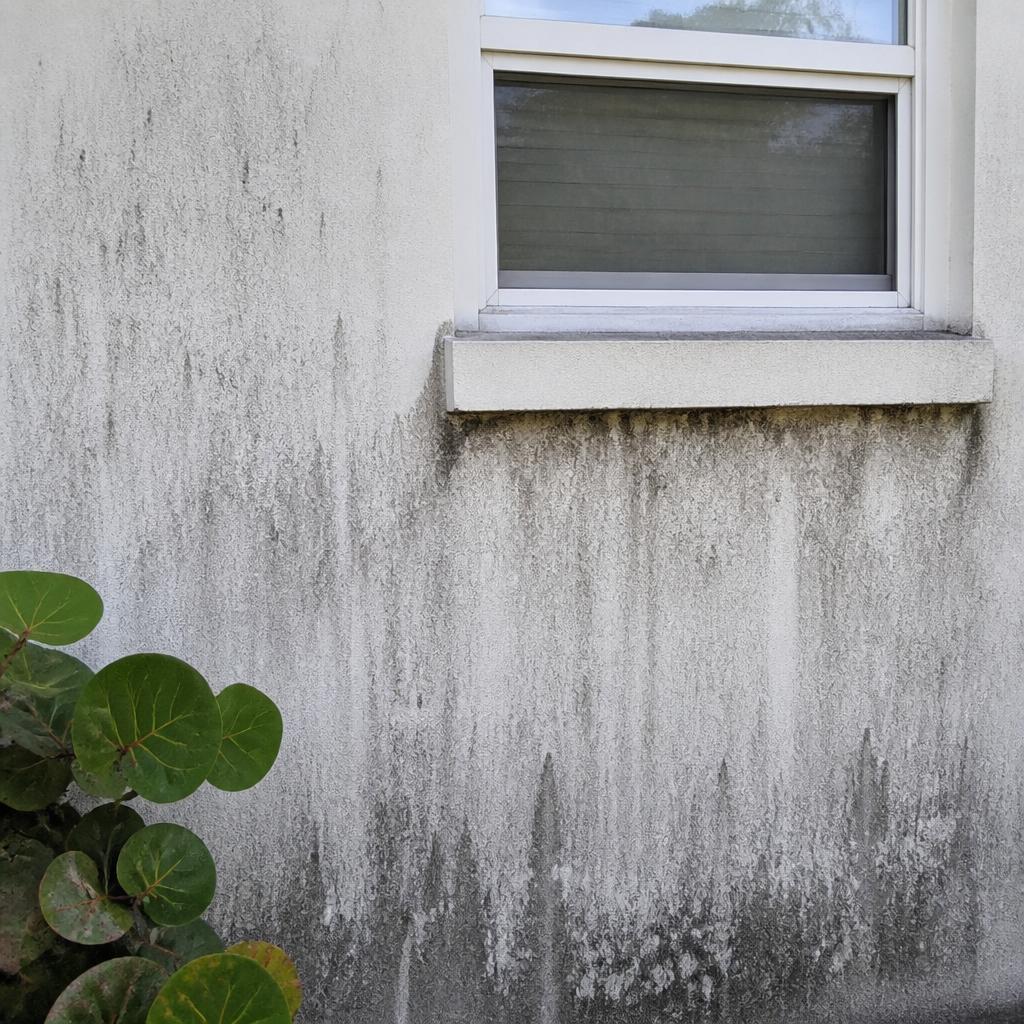
- Kill mildew with a bleach or oxygen cleaner, then rinse; painting over it just feeds it.
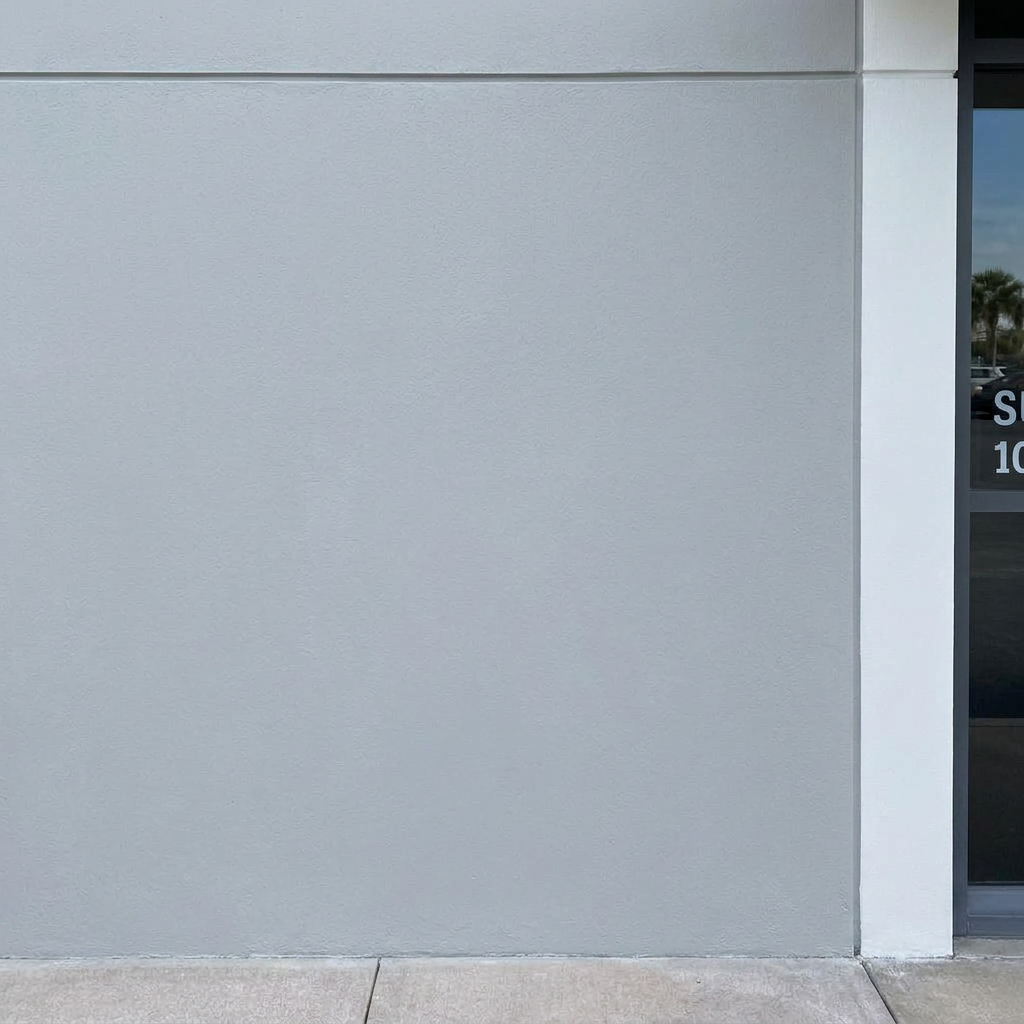
- Check for chalk with a dark cloth. Heavy chalk means a bonding primer, not just a topcoat.
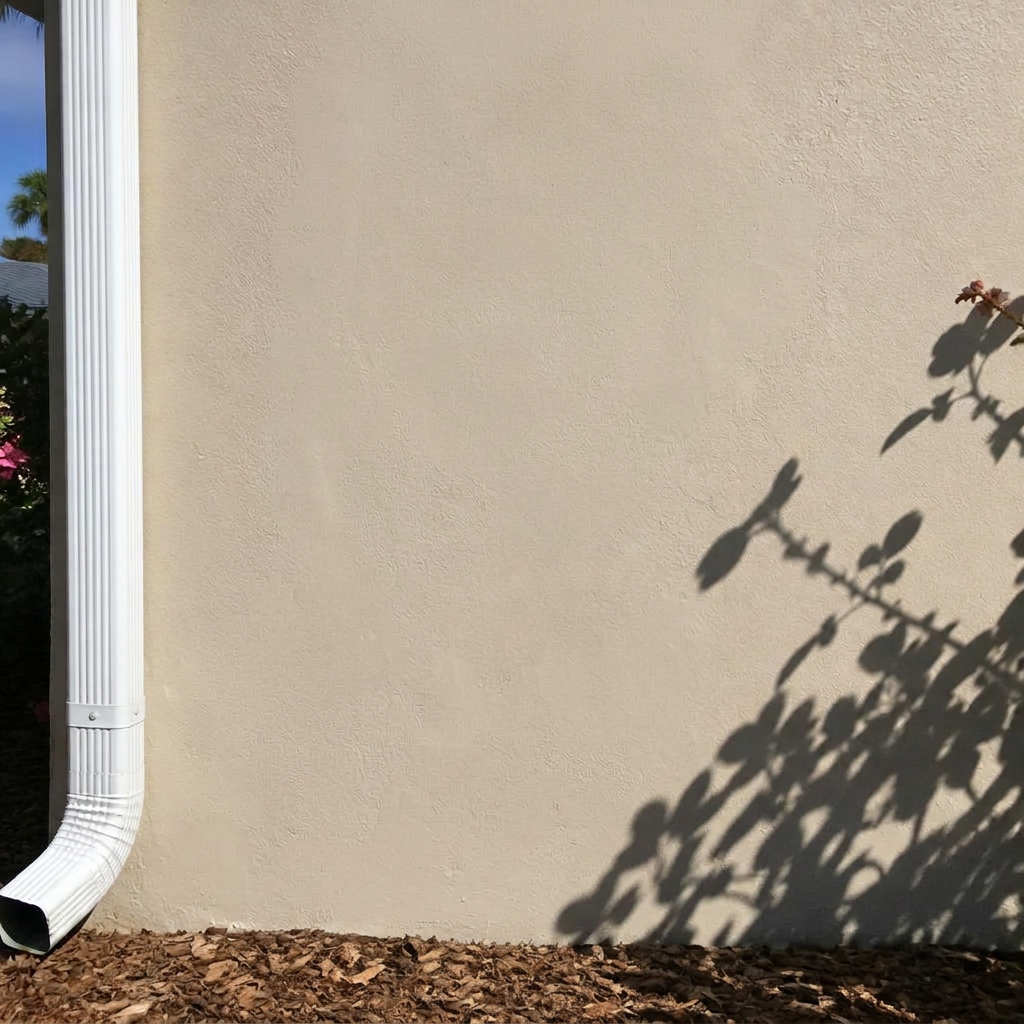
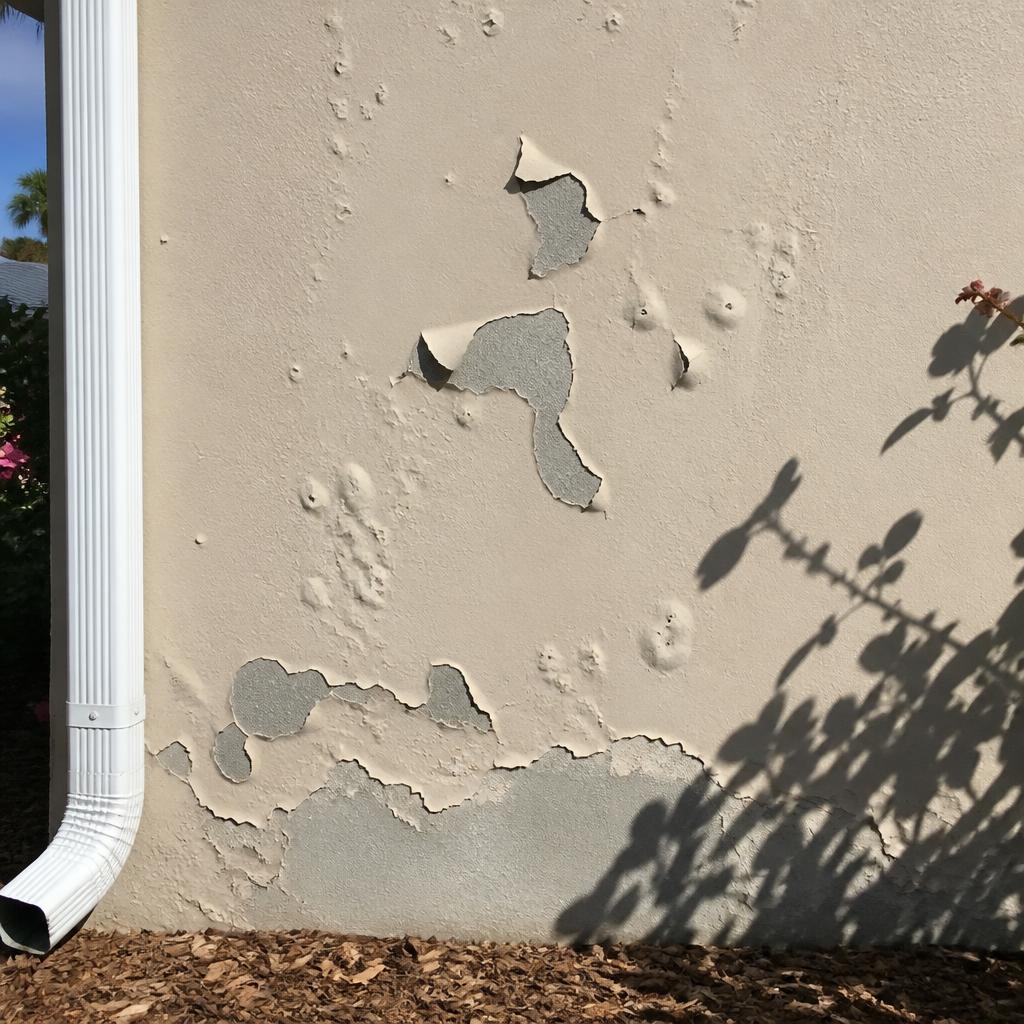
The system we spec
Standard coastal exterior on stucco or masonry, in the order it goes on:
- Repairs and caulk — elastomeric patching on hairline stucco cracks, urethane sealant at dissimilar materials.
- Primer — Fresh Start High-Hiding All Purpose over bare or chalky stucco; a rust-inhibitive metal primer on railings and hurricane hardware.
- Topcoat — Aura Exterior for the toughest exposures, or Element Guard where wind-driven rain and moisture are the main concern. Two full coats, no exceptions.
- Doors, shutters, and iron — Command or ADVANCE for a hard, cleanable film that holds gloss in the sun.
- Decks, docks, and railings in wood — ARBORCOAT in a solid or semi-solid, which flexes with the board.
Color choices that survive the sun
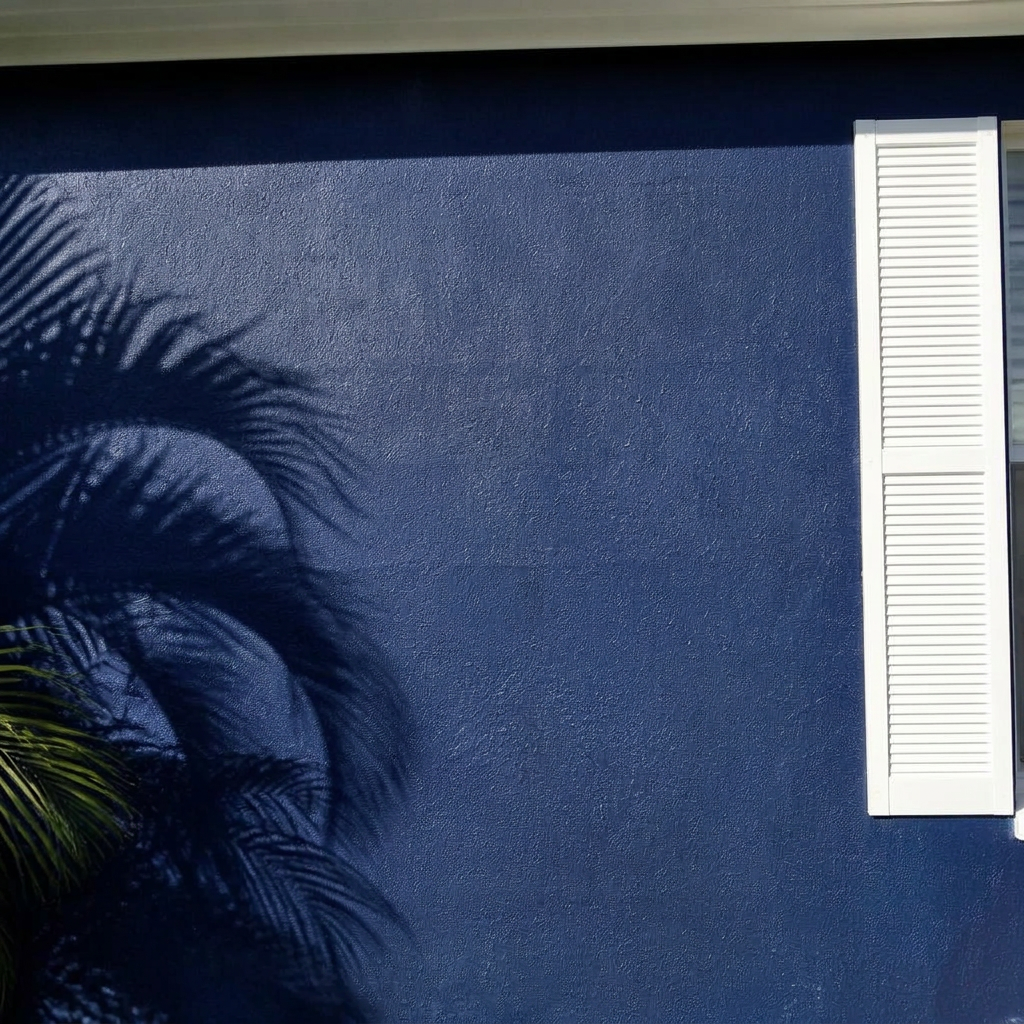
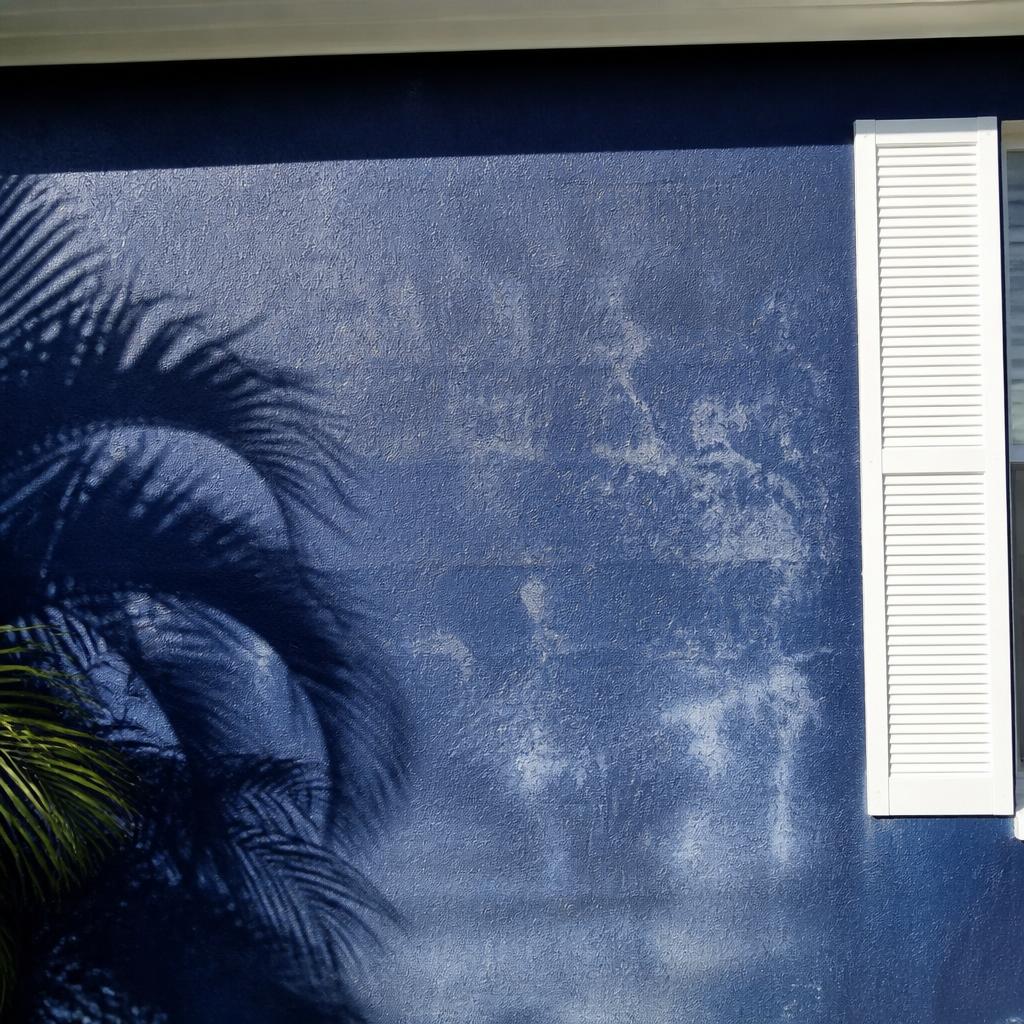
Deep saturated colors on a south or west elevation absorb heat and fade faster, especially in organic reds and bright blues. Benjamin Moore's Gennex colorants hold up far better than the older systems, but physics still applies: a mid-tone or lighter body color with saturated accents on doors and shutters ages the most gracefully here.
Dark walls also raise surface temperature enough to cause flashing during application. Follow the shade around the house and stop before a wall is in full afternoon sun.
Timing the job in South Florida
The dry season, roughly November through April, is the best window: lower humidity, fewer afternoon storms, and full recoat windows. In summer, start early, watch the radar, and respect the dry-to-recoat time on the label rather than how the wall feels.
Maintenance that doubles the life of the job
A fresh-water rinse once or twice a year — hose pressure is enough — removes the chloride layer before it can work. Condo boards along the ocean who add a rinse to the maintenance schedule routinely get several extra years out of a repaint.
Frequently asked
- What is the best exterior paint for a house near the ocean in Florida?
- Benjamin Moore Aura Exterior is our first choice for oceanfront exposure — the highest resin and pigment loading, best color retention, and excellent resistance to wind-driven rain. Element Guard is the alternative when moisture and rain intrusion are the primary concern. Both go over a properly washed, primed surface.
- How often should a coastal home be repainted in Palm Beach County?
- Within a block or two of the Atlantic, plan on five to seven years with a premium system and annual fresh-water rinsing. Inland by a few miles, eight to twelve years is realistic. Builder-grade paint on the coast often fails in three.
- Do I really have to pressure-wash before painting?
- Yes. Salt is invisible and hygroscopic — it holds moisture against the film and causes blistering and early adhesion loss. A low-pressure fresh-water wash and full dry time is the single highest-value step in a coastal repaint.
- Why is my stucco chalky?
- Chalking is the binder breaking down under UV, leaving loose pigment on the surface. Wash it off, then prime with a bonding or high-hiding primer before topcoating. Painting straight over chalk is the most common cause of peeling sheets a year later.
- What should I use on metal railings near salt water?
- Spot-sand and treat any rust, prime with a rust-inhibitive metal primer, and topcoat with a waterborne alkyd like Command or ADVANCE. Touch up chips promptly — once rust starts under the film on the coast it spreads quickly.